Entry · Ref LSABTBAD
How to Spot Hidden Storm Damage Before Leaks Appear
- Posted
- 2026-11-04
- Last amended
- 2026-11-04
- Account
- @israelidxq825
Severe storms pass through Logan quickly, leaving behind obvious debris like broken tree branches and scattered yard clutter. While most homeowners look for missing shingles or ceiling stains, substantial storm damage often remains completely invisible from the driveway. By the time water actively drips into your living room, structural timbers may already be compromised, and mold could be quietly multiplying inside your insulation.
Catching concealed exterior trauma early is essential for preserving your property's value and avoiding catastrophic repair bills. By knowing where and how to look, Logan homeowners can identify subtle storm impacts before the next weather system turns a micro-fracture into a major indoor flood.

Why Storm Damage Often Remains Hidden
Roofing systems are designed in layers, which means top-level materials can suffer internal structural failure while appearing completely intact. Hail impacts, for example, often crush the underlying fiberglass mat of asphalt shingles without knocking the shingle off the roof deck. High-velocity winds can lift shingles just enough to break the adhesive sealant strip, snapping them back into place once the gust passes.

In both scenarios, the protective barrier is severely weakened. Subsequent UV exposure, temperature fluctuations, and moisture penetration gradually wash away granules and degrade the waterproof underlayment beneath. Without proactive assessment, these hidden vulnerabilities remain unnoticed until water finally finds a https://loganroofingexperts.com.au/roofing-repairs/ pathway down to your drywall.
Ground-Level Exterior Signs to Watch For
You do not need to climb onto a steep, slippery roof to detect storm impact. Walking around your property perimeter can reveal several clear indicators that your home absorbed significant storm energy.
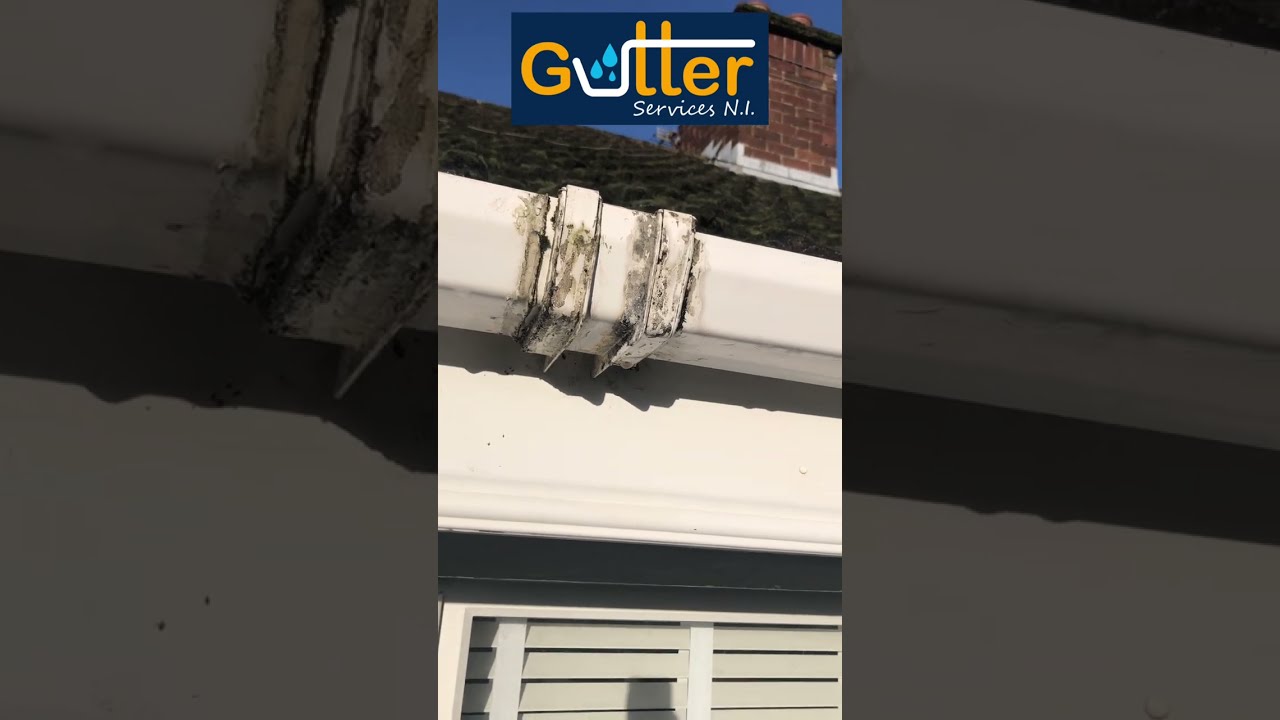
- Gutter Downspout Granule Accumulation: Asphalt shingles naturally shed a small amount of granules over time, but a heavy accumulation in downspouts after a storm indicates direct hail or wind scouring that exposes shingles to rapid deterioration.
- Dented Soft Metals: Inspect outdoor air conditioning units, metal roof vents, valley flashings, and aluminum gutters. Dents or spatter marks on soft metals confirm that hail struck hard enough to compromise surrounding roofing materials.
- Creased Shingle Tabs: Look closely at the roof line for subtle horizontal lines across shingles. These creases show where wind uplifted the shingle, snapping the internal structural bond.
- Displaced Siding and Trim: Wind can pry siding seams open just enough to allow wind-driven rain behind house wrap without leaving a gaping hole.
Inspecting the Attic: Your Roof's Warning System
Your attic acts as an early warning detection center for roof failure. Regularly inspecting this space after extreme weather events allows you to locate water intrusion long before moisture reaches your finished ceilings.
- Check for Unexplained Daylight: Enter the attic during bright daylight hours with the interior lights off. Look along roof valleys, vents, and the ridge cap for points where natural light pinpoints through the decking.
- Examine the Underside of Roof Sheathing: Use a high-powered flashlight to scan the plywood or OSB deck boards. Dark water stains, rust tracks around roofing nails, or white crystalline efflorescence point directly to active, slow seeps.
- Inspect Insulation Consistency: Walk carefully across joists and scan your loose-fill or batt insulation. Compressed, clumped, or discolored patches highlight hidden water pathways that have already bypassed the exterior barrier.
Modern Assessment and Preventive Action
Roof inspection technology has advanced significantly. Professional contractors utilizing high-resolution drone photography and infrared moisture-detection scanners can pinpoint moisture trapped beneath roofing membranes with incredible accuracy. These non-invasive diagnostic tools ensure that Logan homeowners identify compromises beneath tile, asphalt, or metal roofing without unnecessary foot traffic on fragile surfaces.
Promptly documenting and addressing hidden storm damage also protects your insurance coverage. Most homeowners policies enforce strict claim filing deadlines following a severe weather event. Taking immediate action ensures you secure full coverage before unaddressed leaks lead to claims denied for neglected maintenance. Scheduling a thorough assessment right after severe storms ensures your home remains watertight and structurally sound for seasons to come.
Logan Roofing Experts
Unit 2/169 Queens Rd, Kingston QLD 4114
(07) 3179 6988